SHIPPING FEES
Free from 70,00 € (still 70,00 €)
from
5,90 €


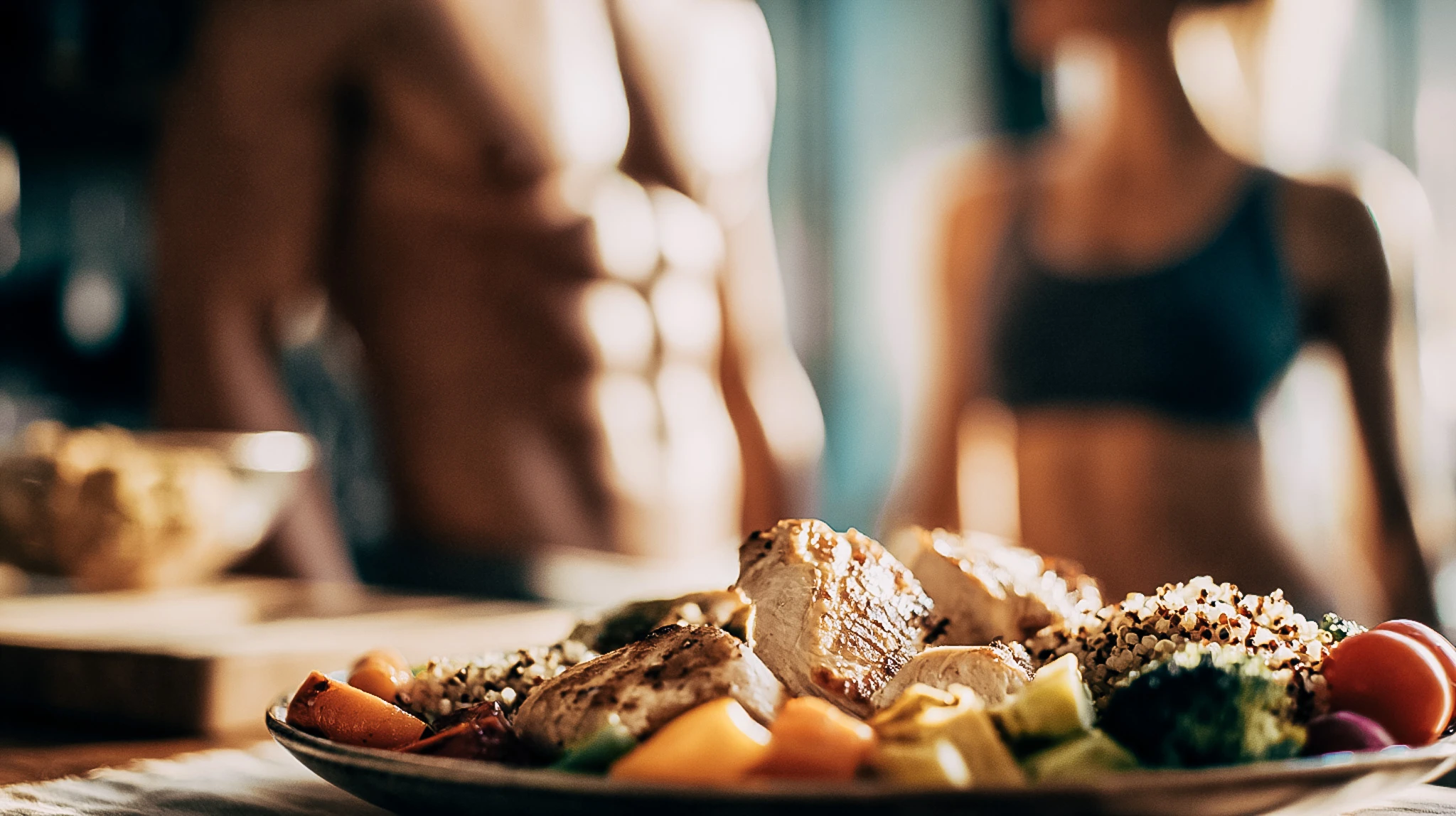
Being lean in bodybuilding is the ultimate goal for many, but who is willing to pay the price? Between constant hunger, energy drops, night awakenings, and testosterone dips, cutting is not just a simple diet: it’s a total challenge that tests your discipline.
Discover here how to master the three key pillars – precise nutrition, muscle-preserving training, and a steely mindset – to achieve your 10% body fat goal without compromising your health.
Ready to face the final boss with proven strategies and personalized adjustments?
As we highlight in the video, becoming lean in bodybuilding is like facing a “final boss”: a coveted but demanding goal. Cutting in bodybuilding goes far beyond simple weight loss. Its main objective is to reduce body fat while preserving the muscle mass acquired with so much effort.
Unlike a traditional diet, this approach specifically targets excess fat without sacrificing muscles. For this, it relies on a calculated caloric deficit, a precise macronutrient distribution (high protein, controlled carbs, essential fats) and adapted training.
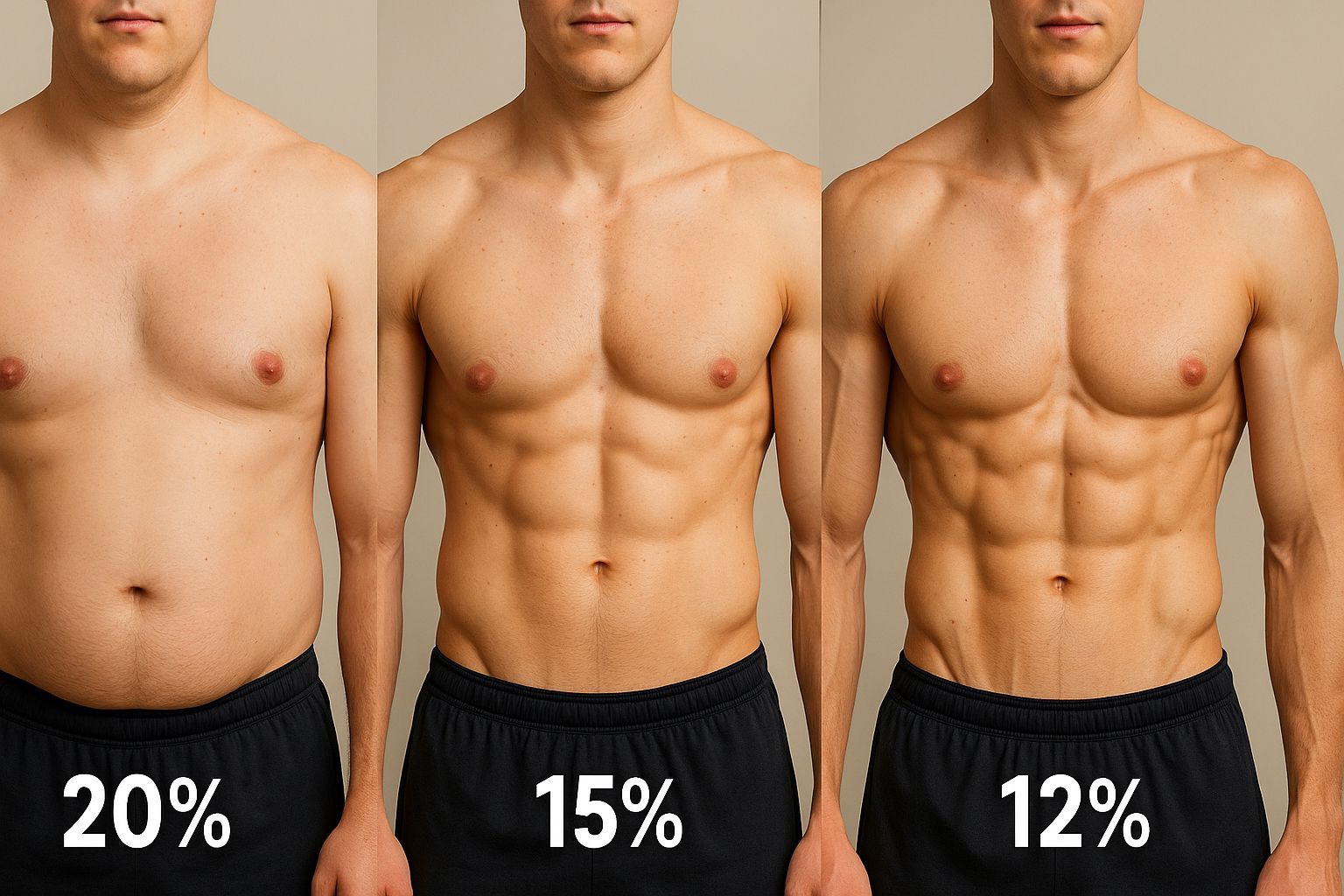
The typical goal is a body fat percentage of 10%, for visible muscle definition.
Without this approach, a classic weight loss might lead to muscle loss, dulling the hard-earned results.
On paper, the principle is clear: create a caloric deficit by eating less than your daily expenditure. But the reality is much more complex. You should know that in the case of cutting, your body enters survival mode, triggering biological mechanisms that complicate the process.
The drop in muscle glycogen reduces water retention, explaining the frequent trips to the bathroom. Hormonally, testosterone and leptin drop, while cortisol increases, affecting mood, recovery, and sleep. Hunger becomes a daily challenge, like resisting the temptations of appetizers, it’s dreamy, isn’t it 😅!
Not to mention the energy drop, where even putting away groceries seems like a physical ordeal. These obstacles require unwavering discipline, rigorous intake tracking, and psychological preparation to manage frustration and relapse cravings.
Thus, cutting is not just a mathematical equation: it’s both a scientific and psychological battle.
To start cutting, you absolutely need a caloric deficit, meaning consuming fewer calories than your body expends. And yes, cutting doesn’t start at the gym but in the kitchen. A moderate deficit of 10-20% below your daily energy expenditure (DEE) is optimal. To precisely determine your needs, our basal metabolism calculator is an excellent starting point.
This progressive approach (300 to 500 kcal less) limits the risks of muscle loss and metabolic adaptations. And this is where you need to start by learning how your body works, as an overly aggressive deficit could cause a metabolic slowdown, extreme fatigue, or muscle loss. For this, your body will alert you, watch for signs like strength loss or irritability to adjust your plan. A simple and pragmatic example, a 10% performance drop in your sets could indicate the need to slightly increase your intake. Hence the importance of measuring both your calories and your performance to stay objective and not fall for confirmation bias.
Proteins are your best allies for preserving muscle mass. An intake of 1.8 to 2.5g per kilo of body weight is recommended. Here too, we have developed a comprehensive protein needs calculator, super comprehensive, to help you. These proteins should be spread over several meals, with a priority on post-workout meals and upon waking.
Ideal sources include:
For carbohydrates, adjust your intake to your activity: between 2g/kg/day for beginners and up to 5g/kg/day for high-level athletes. Complex carbohydrates (oatmeal, sweet potatoes, quinoa) are preferable to fast sugars.
A little tip to recognize good and bad carbs, the whiter the carbs, the less likely they are to be complex!
Fats should represent 20-35% of your intake to preserve your hormonal balance. Ideal sources include omega-3 (salmon, walnuts) and monounsaturated fatty acids (avocado, olive oil).
Foods rich in protein and fiber improve satiety (Which will allow you to feel less hungry during the day). Unlimited vegetables provide vitamins and minerals. Choose healthy snacks like almonds instead of chocolate bars. Finally, drinking 2.5 to 3 liters of water per day will help curb your hunger and keep you hydrated.
During cutting, weight training remains your best ally for preserving your muscle mass. Yes, it may sound completely silly to say, but it’s fundamental.
However, the question that often arises is whether to do short and heavy sets or long and light ones… Studies show that sets of 6 to 12 repetitions with moderate to heavy loads are the most effective.
Remember that muscle creation is the repair of muscle damage caused during training. The best way to maintain muscle is to continue building it.
Once again, for optimization, it is important to know your maximum loads, to know at what percentage of the max weight you can work. For this, we can only invite you to use our 1-RM calculator to help you calibrate your working loads. This tool adjusts your intensities according to your current strength, avoiding any unnecessary loss.
Cardio is not the enemy, but its use must be moderate. A HIIT session (high-intensity interval training) burns 200 calories during the effort and activates EPOC, extending calorie expenditure after exercise. This prolonged effect stimulates fat burning over several hours. In contrast, LISS (low-intensity steady-state cardio) takes more time for a lesser result, with an increased risk of muscle breakdown.
Limit your sessions to 2 to 4 per week. Warning: exceeding this frequency increases cortisol, a hormone that weakens your muscles. Chronic elevation of this hormonal marker reduces your basal metabolism and promotes muscle loss, counterproductive to your goal.
For illustration, a study demonstrated that 3 weekly HIIT sessions outperform 5 LISS sessions for fat loss, while protecting your muscle capital. HIIT after a weight training session is ideal, but plan rest days to avoid overtraining.

We often think of cutting from a physical perspective, but we forget the importance of the mental aspect in cutting.
Behind these physical sensations lie major hormonal upheavals. Your testosterone, an ally of muscle gains, gradually drops, affecting your energy and libido. Simultaneously, leptin – the satiety hormone – decreases, while ghrelin – the hunger hormone – skyrockets. Result: a cycle of compulsive cravings and lack of motivation.
Cortisol, on the other hand, rises with the stress of dieting. This hormone hinders muscle recovery, disrupts sleep, and amplifies fatigue. Add to this the increased urinary frequency linked to glycogen breakdown (each gram of stock releases 3 to 4 grams of water), and you understand why cutting resembles a mental marathon as much as a physical challenge.
Being lean requires constant questioning of your social habits. Refusing drinks, convivial meals, or even a sweet coffee demands acute discipline. Your meal planning becomes an obsession: weighing food, preparing bland meals, avoiding temptations. This mental burden is exhausting, especially as your mood becomes fragile with the drop in glucose.
Yet, the worst enemy remains self-demand. Wanting to be perfect in your diet, recovery, and training generates constant pressure. Some days, mental fatigue can make you irritable, as if every micro-decision of the day becomes insurmountable. But remember: “Being lean is an aesthetic victory, but not necessarily a permanent state of grace.” Accept these compromises to move forward without exhausting yourself.
A successful cut lasts 8 to 12 weeks for most practitioners. This duration varies according to your metabolism, morphology, and goals. A beginner will stick to 8 to 10 weeks, while an experienced practitioner can go up to 16 weeks with rigorous monitoring. Muscle fibers also influence the duration: endurance enthusiasts (slow fibers) tolerate longer cuts better than strength practitioners (fast fibers).
The ideal loss is 0.5 to 1% of your weight/week to preserve muscle mass. A too drastic deficit slows metabolism and impairs your performance. A beginner can start with a deficit of 500 kcal/day and consume 2 to 4 g of complex carbohydrates per kg of body weight to stabilize energy.
Combine the following indicators:
A plateau occurs when weight and measurements stagnate for 2 weeks despite rigorous tracking. Here are possible adjustments:
| Scenario | Action on Nutrition | Action on Training |
|---|---|---|
| Weight stagnation, correct energy | Reduce carbohydrates by 20-30g/day | Add 20-30 min of cardio |
| Weight stagnation, fatigue, decreased performance | Weekly refeed (carbohydrates at maintenance) | Maintain or slightly reduce volume |
| Weight loss too fast (>1.5%/week) | Increase carbohydrates or fats | Avoid adding cardio |
A plateau is an opportunity to refine your approach. The weekly refeed (temporary increase in carbohydrates) boosts metabolism in case of fatigue. If weight stagnates, reduce intake gradually. Tip: Patience and gradual adjustments are your best allies. Cutting is a balance between science and listening to your body.
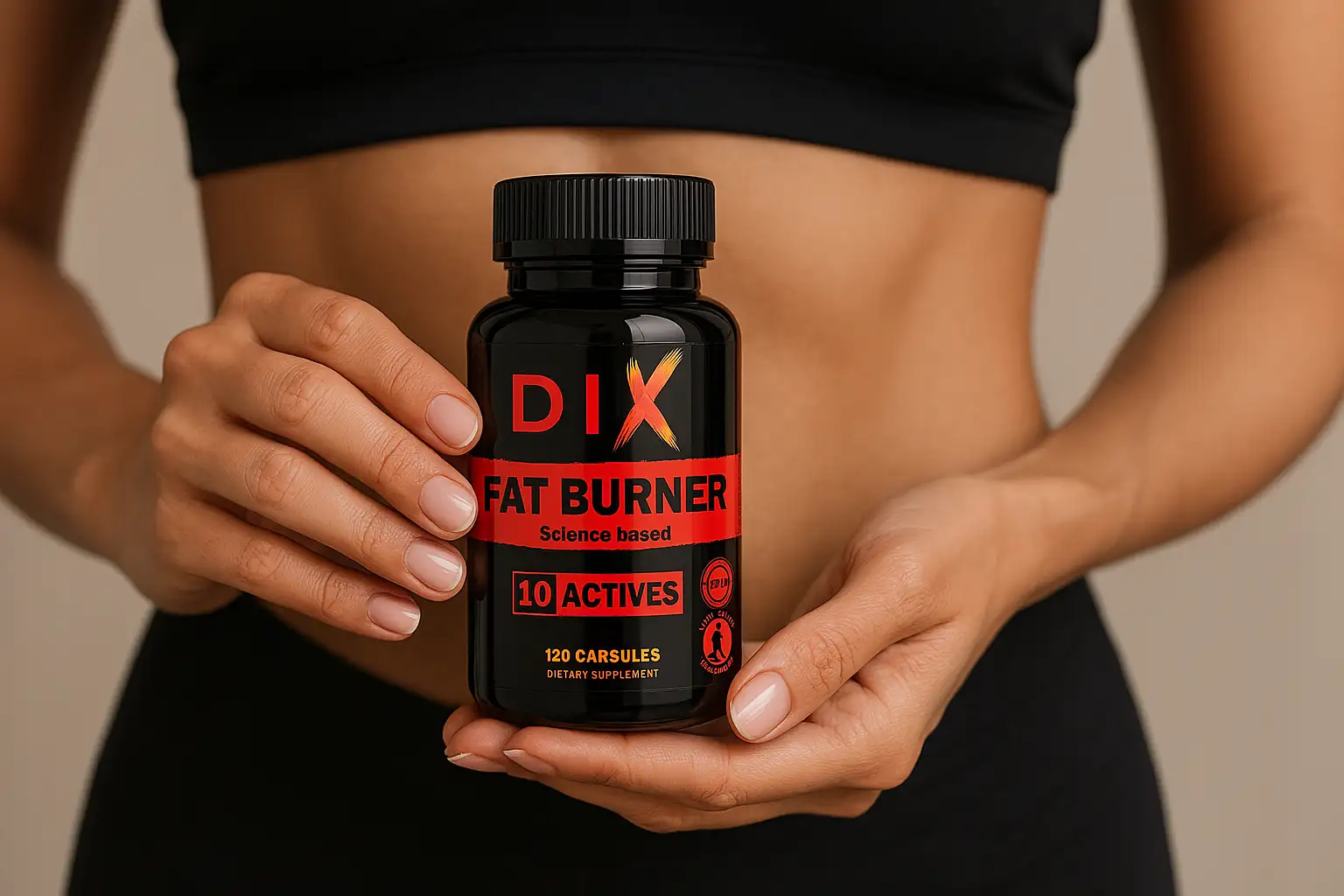
During cutting, well-chosen dietary supplements become essential allies. Protein powders (Whey, Casein) are the foundation of any serious strategy. They ensure sufficient intake to preserve muscle mass while offering appreciable satiety.
Creatine, often associated with strength gain, reveals its full potential in a caloric deficit. It helps maintain your performance level and protects against muscle catabolism. Its intracellular water retention also improves muscle definition.
A natural fat burner, based on berberine, green tea, or even cayenne pepper, can also support energy expenditure. These plant-based ingredients promote thermogenesis, stimulate metabolism, and help mobilize fats as an energy source, all while maintaining a respectful approach to the body.
Each element fits into a global strategy. None replace rigorous dietary tracking or quality training. However, when used wisely, they facilitate the transition through this demanding phase of cutting while preserving your health and performance.
Cutting is not a punishment, but a training for the body and mind. Embrace the fatigue, rediscover simple foods like pan-cooked fish. Set a realistic goal: what percentage of body fat are you aiming for? Share it in the comments!
Cutting requires science, discipline, and mindset. Preserve your muscle mass through targeted nutrition and tailored training to sculpt your physique and discipline. Each step demands balance, but the results – a chiseled body, confidence – are worth the effort. Ready? Turn every obstacle into success.