SHIPPING FEES
Free from 70,00 € (still 70,00 €)
from
5,90 €



Zinc, an essential mineral, aids in sports performance. Discover how zinc influences your health, boosts your performance, and accelerates your recovery by addressing key questions about its effects, deficiencies, and the benefits of supplementation for athletes.
Zinc is an essential mineral that plays several key roles in the human body. It functions as an enzymatic catalyst, helping over 300 enzymes perform crucial biochemical reactions. Additionally, it has a structural function, stabilizing proteins, including those with “zinc fingers” that bind to DNA to regulate gene transcription. In terms of cell signaling, zinc regulates numerous proteins, influencing cell growth and immune response.
In skeletal muscles, zinc is indispensable for myogenesis and muscle regeneration, facilitating tissue repair after exercise. A zinc deficiency can lead to decreased physical performance and slower recovery.
Finally, for the immune system, zinc is crucial for the development and function of immune cells, thereby enhancing resistance to infections and diseases. Maintaining adequate zinc levels is thus vital for overall health and sports performance.

Physical exercise has a notable effect on zinc levels in the blood and urine. When you exercise, especially intensely, your serum zinc levels tend to decrease, while zinc levels in urine increase. This redistribution is often due to oxidative effort and physical stress your body undergoes. For instance, after prolonged or intense exercise, increased urinary excretion of zinc is often observed, which can lead to a temporary deficiency if levels are not properly rebalanced.
Exercise also alters your zinc requirements. As an athlete, you need more zinc to support muscle repair, protein synthesis, and immune function. Zinc is crucial for muscle tissue regeneration and preventing oxidative damage. A lack of zinc can slow muscle recovery, decrease physical performance, and weaken the immune system, making you more vulnerable to infections and injuries.
Thus, for athletes, maintaining adequate zinc levels is advised. Initially by adopting a zinc-rich diet (such as red meat, legumes, and seeds) and considering supplementation if necessary, especially after periods of intensive training.
Zinc deficiency can have serious consequences on overall health, particularly for athletes.
Symptoms of deficiency include loss of appetite, decreased cognitive performance, rough skin, and immune abnormalities.
These symptoms affect your general well-being and can compromise your ability to achieve your sports goals.
For athletes, the effects of zinc deficiency are particularly pronounced. Firstly, zinc plays an important role in muscle regeneration. A zinc insufficiency can lead to slower muscle recovery after exercise, as this mineral is essential for tissue repair. This means your muscles will recover more slowly from intensive training sessions, which can limit your ability to train regularly and progress.
Moreover, zinc is vital for the optimal functioning of many metabolic enzymes. A zinc deficiency can reduce the activity of lactate dehydrogenase, an important enzyme for energy metabolism. This can lead to an accumulation of lactic acid in the muscles, causing fatigue and decreased physical performance.
On the immune front, zinc is indispensable. A deficiency can weaken the immune system, increasing your susceptibility to infections and slowing wound healing. During competition or intensive training periods, this can be particularly problematic, as a sick or injured athlete cannot maintain an effective training program.

Zinc plays a major role in our body’s antioxidant defense. As a cofactor of superoxide dismutase (CuZn-SOD), a key enzyme in neutralizing free radicals, zinc helps protect cells against oxidative stress. Free radicals, unstable molecules produced during intense exercise, can cause damage to cell membranes, proteins, and DNA.
By preventing these damages, zinc contributes to the preservation of muscle integrity. If not neutralized, free radicals can lead to inflammation and muscle damage, delaying recovery after exercise. Zinc helps stabilize cell membranes and maintain glutathione levels, another powerful antioxidant.
Additionally, zinc plays a role in regulating the expression of metallothioneins, proteins that bind metal ions and protect against oxidative damage. These proteins act as “sponges” for free radicals, helping reduce oxidative stress in muscles after intense effort.
Studies show that zinc supplementation can improve immune function, speed up wound healing, and optimize muscle recovery. As a cofactor of many enzymes, zinc supports crucial metabolic processes for energy and physical performance.
However, be aware that excessive zinc supplementation can lead to side effects, such as nausea, vomiting, and abdominal cramps. Excessive zinc intake can also interfere with the absorption of other important minerals like copper, leading to copper deficiency and neurological problems.
Recommendations for daily zinc intake vary according to age, gender, and physical activity level. For athletes, the recommended intake is often slightly higher than that of the general population due to increased zinc losses through sweat and urine.
In general, a daily intake of 15 to 30 mg of zinc is advised for athletes.
However, it is always best to consult a healthcare professional before starting any supplementation to determine the appropriate dose based on individual needs.
Zinc plays a crucial role in myogenesis and muscle regeneration, essential processes for tissue repair after exercise. By participating in the activation, proliferation, and differentiation of muscle cells, zinc ensures effective recovery and optimal muscle growth.
One of the mechanisms by which zinc promotes muscle regeneration is its influence on satellite cells. These cells, located at the periphery of muscle fibers, are activated in response to muscle damage. Zinc facilitates their activation and proliferation, allowing for quick and effective repair of damaged muscle fibers.
Moreover, zinc is involved in protein synthesis by regulating the activity of enzymes and transcription factors essential to this process. By supporting the production of new proteins, zinc helps rebuild damaged muscle tissues. Furthermore, it plays a role in modulating inflammatory responses by reducing inflammation, which speeds up muscle healing after intense effort.
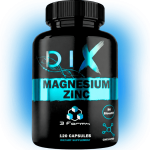
Discover our ZMA, an advanced formula specially designed for athletes and fitness enthusiasts. Our ZMA contains three forms of zinc: zinc gluconate, zinc picolinate, and zinc monomethionine, offering optimal bioavailability and ensuring maximum absorption. By integrating these three forms of zinc, our supplement effectively supports muscle regeneration, myogenesis, and essential immune functions for athletes.
In addition to zinc, our ZMA is enriched with magnesium, a crucial mineral for muscle and nerve function. Magnesium helps reduce fatigue, improves sleep quality, and promotes recovery after exercise. Together, zinc and magnesium work synergistically to enhance recovery capabilities, reduce inflammation, and support overall health.
Adopt our ZMA to benefit from a complete and effective solution aimed at optimizing your performance and accelerating your recovery. Whether you are a high-level athlete or a fitness enthusiast, our ZMA will help you achieve your goals by providing the essential nutrients necessary for optimal muscle regeneration.