Searching for a wholesale supplement supplier often leads into a dead end: trade directories return a jumble of multi brand distributors, contract manufacturers who produce for others, and brands that sell direct. These three businesses have neither the same prices, nor the same constraints, nor the same margin for you. Here is how to tell them apart before placing a first order.
Three very different suppliers behind the same word
The multi brand wholesaler
They buy from many brands, hold stock and resell you a broad catalogue. It is convenient: one order, one invoice, dozens of lines. The price of that convenience is a slice of margin gone, since the wholesaler takes theirs on the way through, and a total absence of differentiation: the shop down the road orders from the same place, often the same products, and the comparison ends on price.
The contract manufacturer, or private label
They produce supplements that you sell under your own name. The gross margin looks attractive on paper. What the sales deck mentions less often is that you then become the business responsible for placing the product on the market: product notification where it applies, compliant labelling, a composition file, insurance, and minimum production runs often counted in thousands of units. That is a branding business, not a way of sourcing stock.
The brand selling direct
You buy from whoever designed the product, at trade price, with no middleman. The range is narrower than a wholesaler’s catalogue, but the margin is shared with nobody and the product is identifiable. This is how DIX works.
How to decide with one question
Ask yourself what your customers ask you for. If they name specific brands, you need a multi brand wholesaler. If they mostly ask “what do you recommend?”, your value sits in the advice, and you have more to gain from two or three brands you stand behind than from an undifferentiated shelf.
What to look at in a wholesale offer
The discount percentage is the tree hiding the forest. Four things weigh more heavily on your bottom line.
- Shelf life on delivery. Stock received six months from its date sells under pressure, or gets discounted away. Ask the question every time, and be wary of spectacular discounts on batches close to their date.
- Single unit reassortment. A supplier who only ships full cases forces you to tie up cash in lines you are still testing.
- Actual rotation, not purchase price. A line bought very cheap that turns once a quarter costs more in tied up shelf space than a fairly priced line that leaves every week.
- Dose per capsule, compared at equal price. It is the only way to compare two offers honestly. A molecule printed large on the label but present in token amounts in the formula produces disappointed customers, and disappointed customers do not come back.
Supplements and sports nutrition: not the same demand
A classic sports nutrition aisle runs on volume: protein powders, gainers, bars. Unit margins are thin, online competition is brutal, and the customer compares by the kilo.
Supplements work the other way round: higher average basket, lower volume, and a customer who buys on advice and composition rather than price per kilo. For a gym, a specialist shop or a clinic, it is usually the most profitable aisle per metre of shelf, provided you take on the share of education that comes with it.
Buying wholesale from DIX
DIX is a French brand of sports supplements. We sell direct to retailers, coaches, pharmacies and self employed practitioners, at trade prices excluding VAT, product by product and with no imposed assortment.
What we are not, and it is better said now: neither a multi brand wholesaler (we only distribute our own formulations), nor a contract manufacturer (we do not produce under your brand). If either is what you are looking for, this page will at least have saved you a phone call.
See the conditions and open a trade account
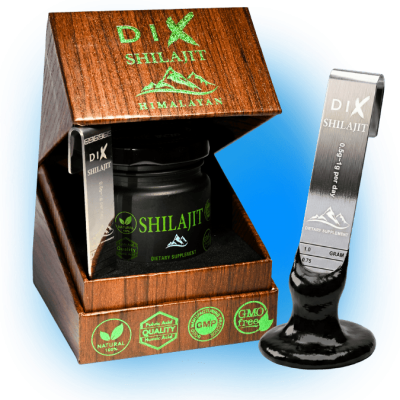
Shilajit resin
Gold Grade Purity: 100% natural Shilajit resin, harvested at 5000m altitude in the Himalayas…
In stock
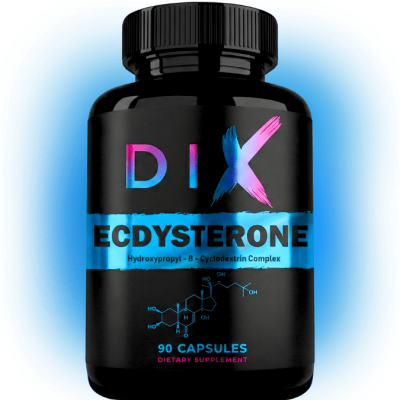
Ecdysterone
High concentration (HPLC): Standardized extract of the highest concentration of ecdysterone per capsules in…
In stock
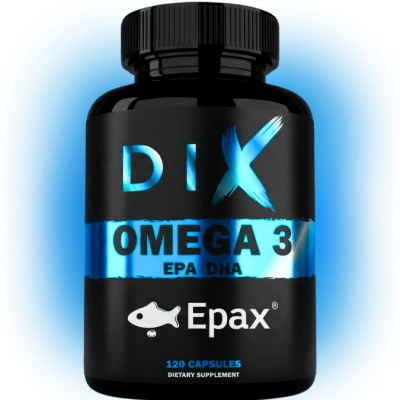
Omega 3
EPAX® Quality: Wild fish oil from Norway, certified Friends of the Sea. Patented purification…
In stock
Frequently asked questions about buying wholesale
Wholesale buying and trade pricing
What is the difference between a wholesaler and a supplement supplier?
In everyday use the two words blur, but “supplier” most often means the manufacturer, the one who formulates and produces, while “wholesaler” means the intermediate reseller who buys from brands to redistribute. A brand selling direct holds both roles: it is your supplier with no wholesale middleman.
Can you buy wholesale without being a business?
No. Trade pricing presupposes a registered commercial activity, with the obligations that come with it on labelling, traceability and consumer information. The detail is covered in our guide on whether you need a licence to sell supplements.
Is there a minimum order to get wholesale pricing?
At DIX the trade price is attached to your account rather than to the size of the order: it applies from the very first line. Payment and delivery terms are set account by account when your application is approved.
Can a sports nutrition wholesaler supply a gym?
Yes, nothing prevents it, and it is a common route. The real question is stock: a gym usually has neither the space nor the cash for a full case of each line. Favour a supplier who accepts single unit reassortment, even at a slightly higher unit price.
Is private label more profitable than reselling an existing brand?
On gross margin per unit, yes, almost always. On net profit, rarely at the start: you have to fund a minimum production run, label design, product notification and brand awareness, the last being the most expensive and slowest item of all. Reselling an established brand amounts to renting its reputation instead of buying it.