SHIPPING FEES
Free from 70,00 € (still 70,00 €)
from
5,90 €


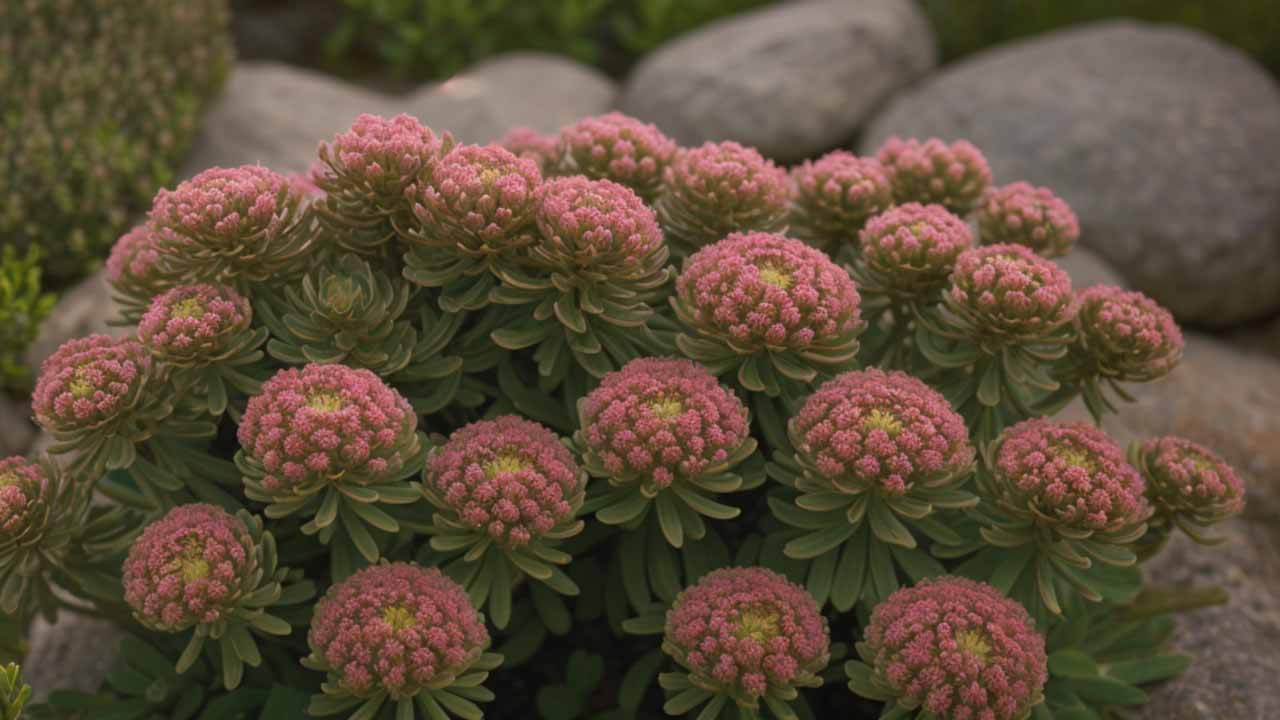
Rhodiola rosea is an adaptogenic plant that is becoming increasingly popular among those who favor alternative medicine. And certain questions about this plant frequently arise. This article answers 5 key questions about the virtues and use of this ancient plant.
Rhodiola rosea owes its virtues to several compounds with names that may not be very evocative to the uninitiated. Among them are:
Usually marketed with dosages of 3% rosavin and 1% salidroside at a dosage of 200mg per capsule, our rhodiola offers twice as many active ingredients thanks to an extract containing 5% rosavin and 1.8% salidroside at a dosage of 250mg per capsule. These elements are believed to delicately interact with our key neurotransmitters such as serotonin, dopamine, or catecholamines. By modulating their activation, they may help prevent mental and physical stress. It is therefore an adaptogenic plant that helps the body better adapt to mental and physical stress. Although natural, these compounds are complex. Before following a Rhodiola-based treatment, it is better to ensure the quality of the extracts through a professional. Your doctor will be able to advise you on the benefits and precautions to take if necessary.
Thanks to its adaptogenic properties that help provide general resistance to stress. Although its mechanisms of action are not fully understood by science, it is clear that rhodiola increases stress resilience at both the cellular and systemic levels. The anti-stress properties of Rhodiola may partly stem from its ability to slow down the release of cortisol in stressful situations. It is important to emphasize that rhodiola rosea has this ability to regulate cortisol optimally. In other words, even at high doses, rhodiola rosea will not suppress or excessively reduce your cortisol levels but will maintain a balanced level of cortisol for your body. By delicately modulating key neurotransmitters, Rhodiola rosea seems to effectively act on our stress response. Its compounds, such as rosavins, would alleviate feelings of anxiety and nervous tension. Numerous studies support these effects. A recent meta-analysis concluded the plant’s ability to significantly reduce anxiety symptoms. Russian researchers have also shown its positive impact on the stress resilience of athletes. Of course, no plant is a miracle cure. But the well-tolerated effects of Rhodiola rosea suggest that it deserves consideration for better managing everyday tensions and anxieties.

Several studies support the benefits of Rhodiola rosea on sports and intellectual performance. In studies focusing on strength training, Rhodiola increased strength and power when taken just before training. It also reduced the perceived effort rate in several studies. Other studies have shown that Rhodiola can reduce fatigue, improve speed, and endurance. Recovery capabilities are also highlighted, as Rhodiola seems to accelerate muscle recovery after intense effort. For the psychological aspect, the reported positive effects are very encouraging. Research has shown that rhodiola rosea can reduce stress and fatigue while improving mental performance, especially in stressful situations. A study conducted among students during an exam period concluded that Rhodiola was associated with a significant reduction in stress levels and mental fatigue, resulting in an increase in grades of about 10%. Additionally, rhodiola rosea has demonstrated its ability to improve mood. In a clinical study involving patients with moderate to mild depression, symptoms were reduced by 30% to 50%. Thus, rhodiola rosea is often taken at work during busy days, before meetings or exams. It can also be consumed simply to improve mental well-being.
The recommendations are to take between 12mg rosavin and 4mg salidroside, which is a single capsule of our rhodiola rosea. The maximum dosage recommended in some studies is 24mg of rosavin and 8mg of salidroside, which is 2 capsules of our rhodiola (you would need to consume 4 capsules from most vendors to reach this level).
To relieve occasional stress, opt for a tablet in the morning upon waking or at noon. To benefit from its effects on physical performance, take Rhodiola 30 minutes before activity. It is not recommended to take Rhodiola in the evening due to its anti-fatigue effects.

So far, no serious human study has shown that Rhodiola rosea can contribute to weight loss. Although it is recognized that Rhodiola can reduce cortisol levels, and high cortisol levels are often associated with weight gain, we cannot conclude that Rhodiola rosea could promote weight loss. However, it could be beneficial for some people with high levels of stress and cortisol, who tend to react to stress with behaviors such as binge eating or overeating. It should be noted that no study has yet been conducted in this specific context.
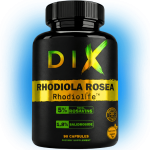
Choose excellence with our product, labeled Rhodiolife®, a world leader recognized for the superior quality of its raw materials. Our Rhodiola Rosea offers twice as many active ingredients as market standards, dried at low temperatures to preserve its maximum bioactivity.
With 5% rosavins and 1.8% salidroside, each 250 mg capsule guarantees unmatched effectiveness. Voted best targeted sports nutrition product in 2019 by ESSNA and certified “sports grade,” our Rhodiola Rosea promises purity and performance without compromise.